

Blog
3 types of headaches & how to treat them

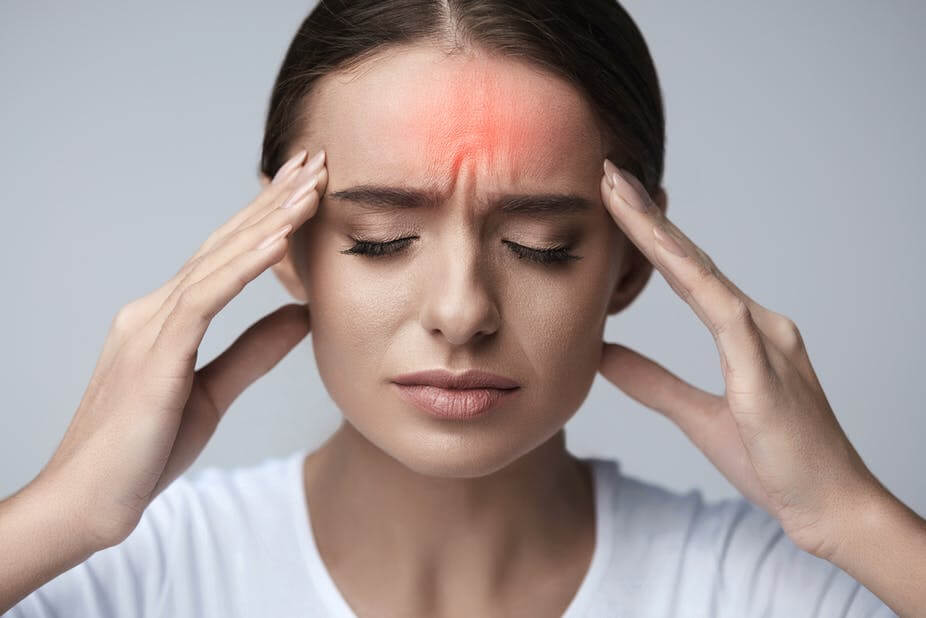
Headaches are a common reason for medical consultation, affecting millions of people worldwide. Chronic headaches can significantly impact an individual’s quality of life, often persisting for years without effective relief. If you have a history of headaches but develop new symptoms, it’s crucial to consult your doctor for an accurate diagnosis and to identify any underlying causes. Serious conditions like high blood pressure, intracranial bleeding, or, rarely, brain tumors can sometimes present as headaches. After ruling out serious causes, doctors typically classify headaches into three main categories: tension headaches, migraine headaches, and cluster headaches.
Tension Headaches
Description and Symptoms
Tension headaches are among the most common types experienced by patients and are a leading cause of over-the-counter medication use. They often occur during periods of increased stress, anxiety, or depression. Individuals describe tension headaches as a constant dull ache or feeling of tightness around the forehead, temples, or at the back of the head and neck. The pain is usually bilateral and may be accompanied by tenderness in the scalp, neck, and shoulder muscles.
Causes
The exact cause of tension headaches isn’t fully understood, but several factors contribute to their development. Emotional stress and mental health issues like anxiety and depression are significant triggers. Physical factors such as poor posture, eye strain, fatigue, and inadequate rest can also lead to muscle tension in the neck and scalp, resulting in headaches. Additionally, certain dietary factors may exacerbate tension headaches, including low blood sugar from skipping meals, caffeine withdrawal or excessive intake, consumption of simple carbohydrates and processed foods, gluten sensitivity, and reactions to artificial sweeteners or food additives.
Supplements and Treatments
To alleviate tension headaches, several supplements may be beneficial:
- Magnesium is essential for over 300 biochemical reactions in the body and is known as the “relaxation mineral.” It can help relax muscle tension and reduce headache frequency. Magnesium is found in leafy green vegetables like kale and spinach. Supplementation with 250–500 mg of magnesium daily may help prevent headaches. Epsom salt baths, containing magnesium sulfate, can also provide relief through skin absorption.
- Vitamin D deficiency has been linked to an increased risk of tension headaches. Adequate sun exposure and supplementation of 1,000–5,000 IU daily can help achieve optimal blood levels. Since vitamin D levels can vary greatly among individuals, it’s important to consult a healthcare provider before taking higher doses, and consider getting blood levels checked to tailor the dosage appropriately.
Migraine Headaches
Description and Symptoms
Migraine headaches are severe, pulsating pains often accompanied by nausea, vomiting, and sensitivity to light (photophobia) and sound (phonophobia). Affecting over one billion people globally, migraines can occur weekly, monthly, or sporadically. They may be preceded by an aura, which includes visual disturbances like flashing lights, zigzag lines, or temporary loss of vision. Migraines can significantly impair daily functioning, often causing individuals to miss work or other activities.
Causes
Migraines are believed to result from a combination of genetic and environmental factors. Dysfunction in the nerves and blood vessels of the brain leads to improper activation of pain pathways. There is often a genetic component, with migraines running in families, indicating a hereditary predisposition. Hormonal changes, particularly fluctuations in estrogen levels in women, can trigger migraines, explaining why migraines are more common in women than men. Environmental factors such as stress, sleep disturbances, bright lights, loud noises, and strong smells may act as triggers.
Dietary triggers play a significant role in migraines. Low blood sugar from irregular eating patterns can precipitate attacks. Sensitivity to substances like sulfites in wine, tyramine in aged cheeses, and additives in processed foods can also trigger migraines. Caffeine, when consumed excessively or withdrawn abruptly, may lead to headaches. Gluten sensitivity and reactions to artificial sweeteners like aspartame have been identified as potential migraine triggers in susceptible individuals.
Supplements and Treatments
Several supplements have shown promise in preventing or reducing migraine symptoms:
- Alpha-Lipoic Acid is a potent antioxidant that may help prevent and shorten migraine headaches. Studies suggest that a dosage of 400 mg taken twice daily may be effective in reducing the frequency and severity of migraines.
- Coenzyme Q10 (CoQ10) supports cellular energy production and has antioxidant properties. Supplementation with 100–300 mg daily has been shown to reduce headache frequency, duration, and severity. CoQ10 may be particularly beneficial for individuals with mitochondrial dysfunction.
- Omega-3 Fatty Acids, found in fish oil, have anti-inflammatory effects that may reduce migraine frequency and duration. A daily intake of 2,000–4,000 mg, divided into two doses, is recommended. Omega-3 supplements can help modulate inflammatory processes involved in migraine pathophysiology.
- Folic Acid is essential for DNA synthesis and repair. Higher intake of folate, particularly from dietary sources like leafy greens, may reduce migraine frequency, especially in women. Supplementation should be done under the guidance of a healthcare provider to ensure appropriate dosing.
- Magnesium deficiency is common among migraine sufferers. Supplementing with 125–500 mg of magnesium daily can help prevent migraines by stabilizing blood vessel walls and preventing the overexcitation of nerves. It’s advisable to start with a lower dose to assess tolerance, as high doses may cause gastrointestinal discomfort.
- Melatonin regulates sleep-wake cycles and may prevent migraines due to its antioxidant properties and ability to inhibit certain pain pathways. A dosage of 3–10 mg taken at bedtime has been shown to be effective. Melatonin may be particularly helpful for migraines that occur during sleep or are associated with sleep disturbances.
- Riboflavin (Vitamin B2) plays a role in energy production within cells. Supplementation at 400 mg daily has demonstrated effectiveness in reducing the frequency and intensity of migraines. Riboflavin is generally well-tolerated with minimal side effects.
- Ginger is known for its anti-nausea properties and can help alleviate migraine-related nausea and vomiting. It may be consumed as tea or in supplement form, with dosages of 250–500 mg taken once or twice daily. Ginger’s anti-inflammatory effects may also contribute to its benefits in migraine relief.
- Feverfew is a traditional herbal remedy that may reduce the frequency and severity of migraines by inhibiting inflammatory processes and platelet aggregation. Commonly used dosages are 250 mg taken once or twice daily. It’s important to note that feverfew should not be used during pregnancy, and long-term safety data are limited.
Other nutrients like Vitamin C and Vitamin D support overall health and immune function, potentially reducing migraine occurrence when deficiencies are addressed. Essential oils such as chamomile and lavender, when inhaled or applied topically (properly diluted), may provide symptom relief due to their calming and analgesic properties.
Non-Medication Approaches
In addition to supplements, lifestyle modifications play a crucial role in managing migraines:
- Dietary Adjustments: Identifying and avoiding specific food triggers through an elimination diet may be beneficial.
- Stress Management: Techniques like meditation, deep breathing exercises, yoga, and biofeedback can help reduce stress levels and prevent migraines.
- Regular Physical Activity: Engaging in consistent aerobic exercise can decrease the frequency and severity of migraines by improving cardiovascular health and reducing stress.
- Adequate Sleep: Maintaining consistent sleep patterns and ensuring sufficient rest are vital, as sleep disturbances can trigger migraines.
Cluster Headaches
Description and Symptoms
Cluster headaches are recognized as one of the most painful types of headaches, though they are less common than tension or migraine headaches. They are characterized by intense, burning, or piercing pain typically located around one eye or one side of the head. Attacks occur in clusters—multiple headaches within a day over a period of weeks or months, followed by remission periods without headaches.
Associated symptoms during an attack may include redness and tearing of the eye on the affected side, nasal congestion or runny nose, drooping eyelid, and facial sweating. Individuals often feel restless and may pace or rock back and forth during an attack due to the severity of the pain. Unlike migraines, cluster headaches are more common in men, particularly those between the ages of 20 and 50, and usually begin suddenly without warning.
Causes
The exact cause of cluster headaches is not fully understood, but they may involve abnormalities in the hypothalamus, the part of the brain that controls biological rhythms. This could explain the cyclical nature of cluster headaches, often occurring at the same time each day or during certain seasons. Triggers can include alcohol consumption, smoking, high altitudes, exposure to bright light, and certain medications that dilate blood vessels.
Prevention and Treatments
Lifestyle modifications are important in managing cluster headaches:
- Regular Exercise: Engaging in physical activity can improve overall health and may help reduce the frequency of headaches.
- Relaxation Techniques: Practices such as yoga and meditation can alleviate stress and tension, potentially decreasing headache occurrence.
- Smoking Cessation: Quitting smoking is crucial, as tobacco use is a known risk factor and trigger for cluster headaches.
- Consistent Sleep Schedule: Maintaining regular sleep patterns supports the body’s circadian rhythms, which may be disrupted in cluster headache sufferers.
Medical treatments often involve:
- Oxygen Therapy: Inhaling 100% oxygen through a mask can provide rapid relief during an attack by constricting dilated blood vessels.
- Medications: Prescription drugs like triptans can abort acute attacks, while preventive medications such as verapamil may reduce the frequency of cluster periods.
Supplements
Some supplements may offer additional support:
- Magnesium may help reduce the frequency of cluster headaches, especially in individuals with a deficiency. A daily dosage of 125–500 mg is recommended under medical supervision, as magnesium can influence heart rhythm and interact with other medications.
- Melatonin can be effective in preventing cluster headaches due to its role in regulating sleep cycles and circadian rhythms. A dosage of 10 mg taken at bedtime has been used in studies. Melatonin’s anti-inflammatory and antioxidant properties may also contribute to its benefits.
- Kudzu Extract, derived from a plant native to Asia, has been explored as a potential treatment. Preliminary research suggests it may reduce the frequency and intensity of cluster headaches, but more studies are needed to confirm its efficacy and safety.
Applying diluted essential oils like eucalyptus and peppermint topically to the temples or inhaling their vapors may provide temporary relief for some individuals due to their cooling and analgesic effects.
Important Considerations
Before starting any new supplement or treatment regimen, it’s essential to consult with a healthcare professional. Supplements can interact with medications and may not be suitable for everyone, especially individuals with underlying health conditions or those who are pregnant or breastfeeding. Monitoring for potential side effects is important, as natural does not always mean safe.
Individual responses to treatments can vary, and what works for one person may not work for another. Keeping a headache diary to track symptoms, triggers, and responses to treatments can be a valuable tool in managing headaches effectively. This record can help identify patterns and inform discussions with your healthcare provider.
Conclusion
Headaches, whether tension, migraine, or cluster types, can have a profound impact on daily life. Understanding the specific characteristics, triggers, and underlying causes of each type is key to effective management. Combining lifestyle changes, dietary adjustments, stress reduction techniques, and appropriate use of supplements under medical guidance can help alleviate symptoms and improve quality of life. Ongoing communication with healthcare professionals ensures that treatment plans are safe, personalized, and responsive to changes in symptoms.
References
For detailed information and evidence-based guidance, please consult reputable sources such as peer-reviewed medical journals, clinical guidelines from health organizations, and discussions with healthcare professionals. They can provide personalized advice tailored to your specific health needs.