
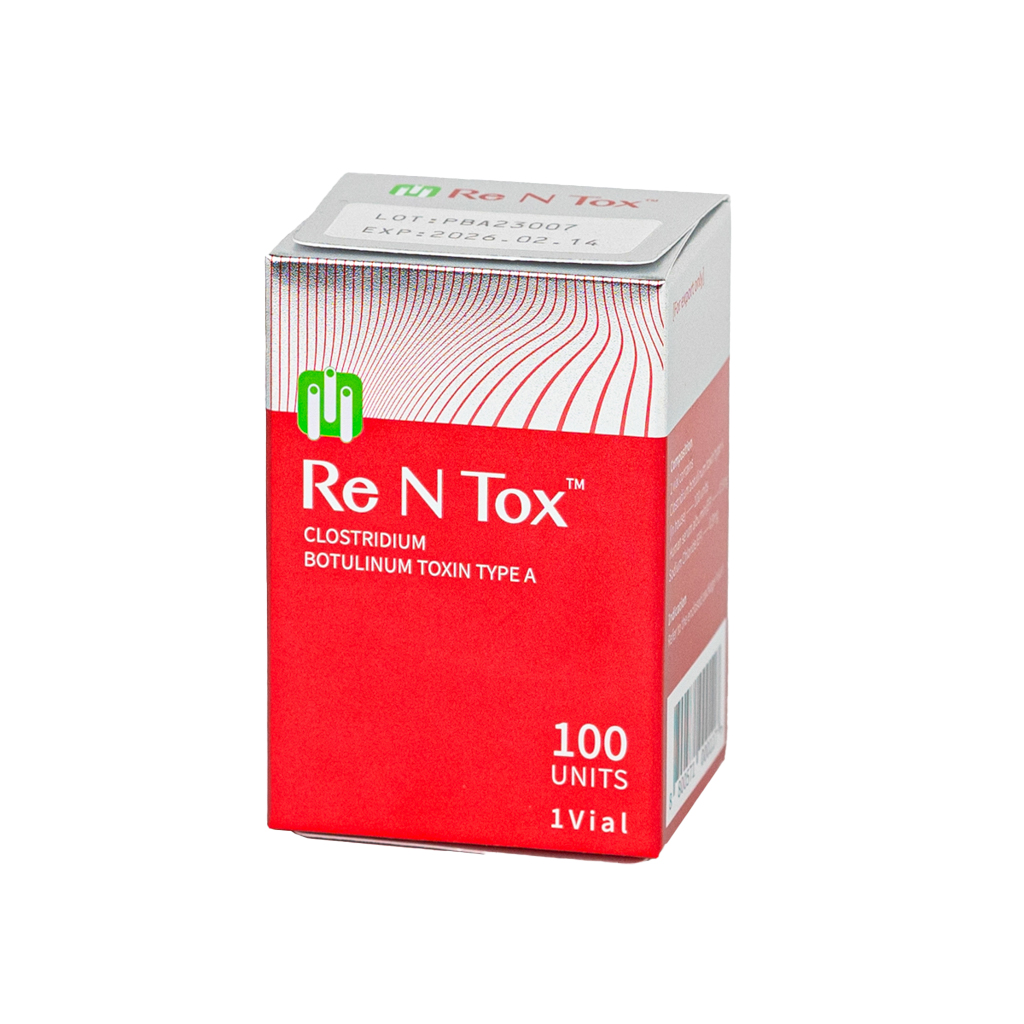
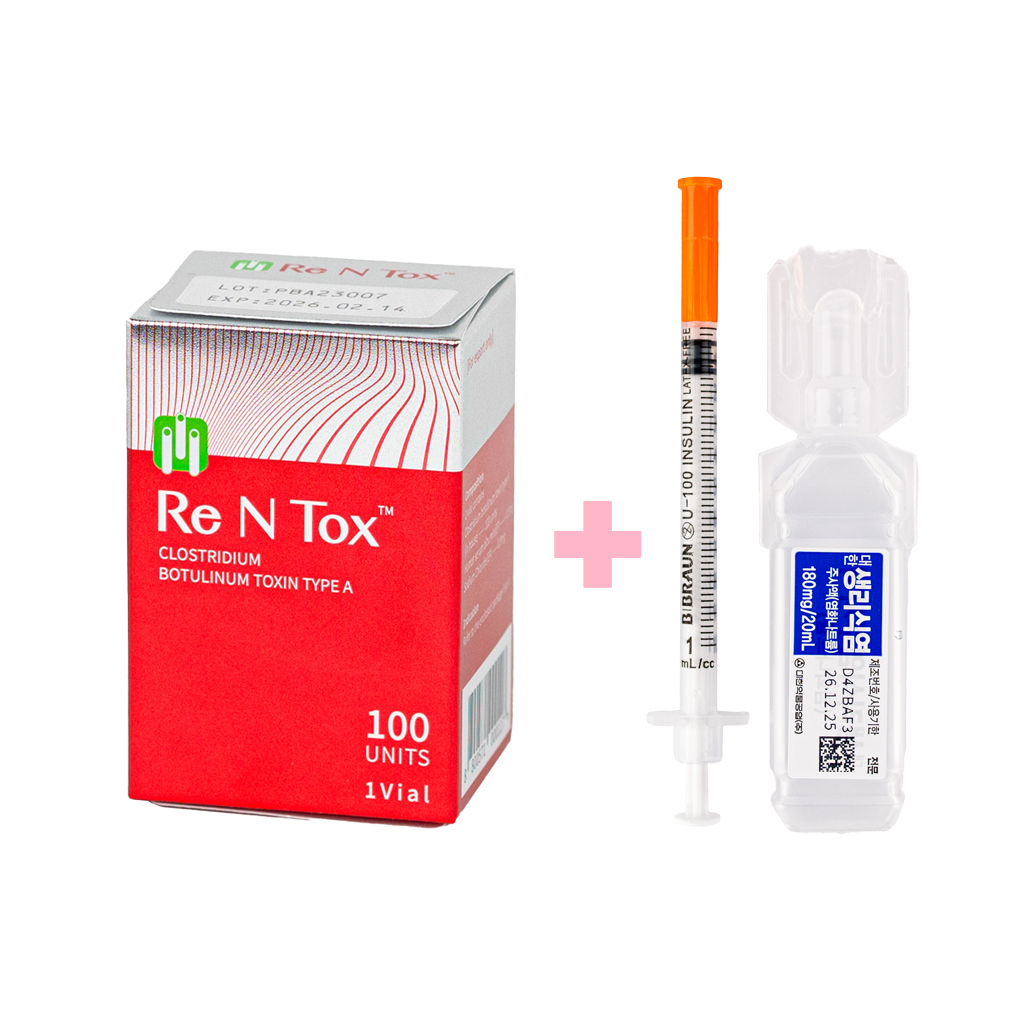
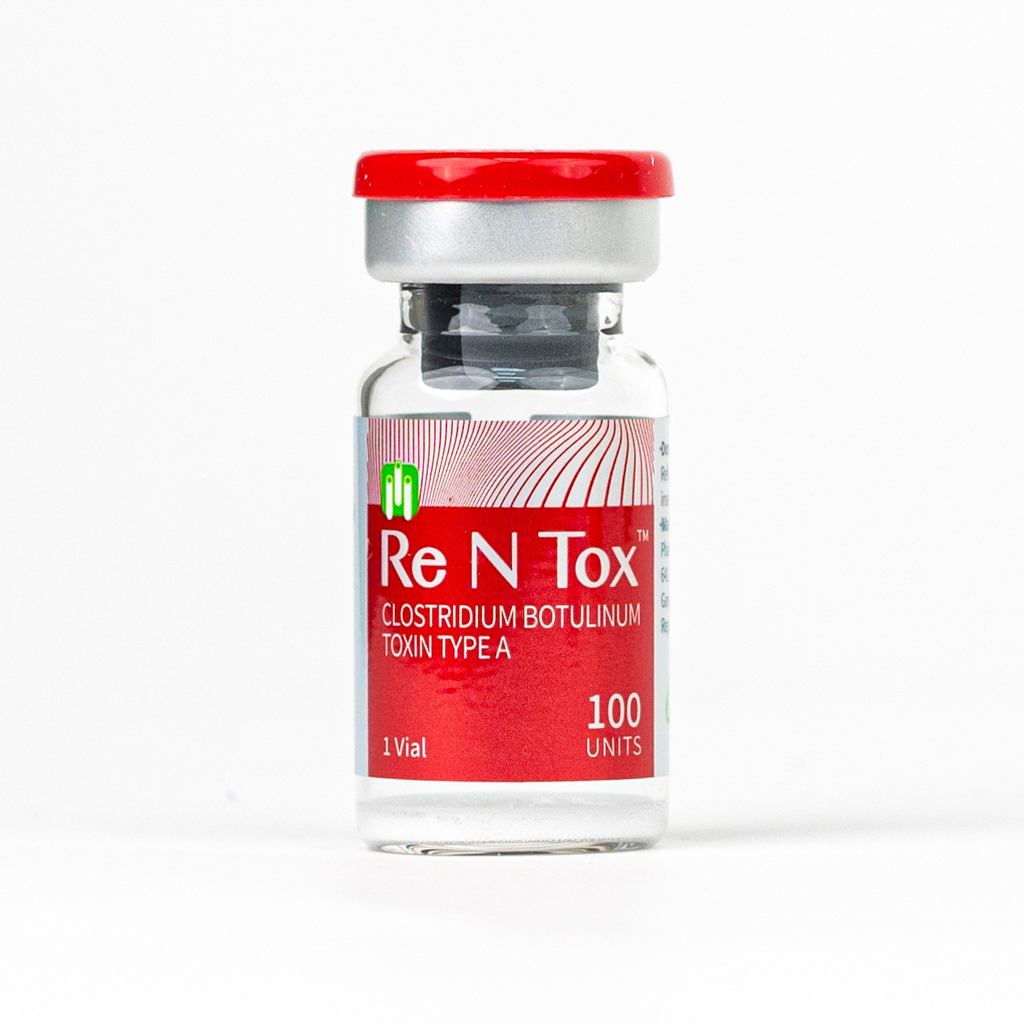
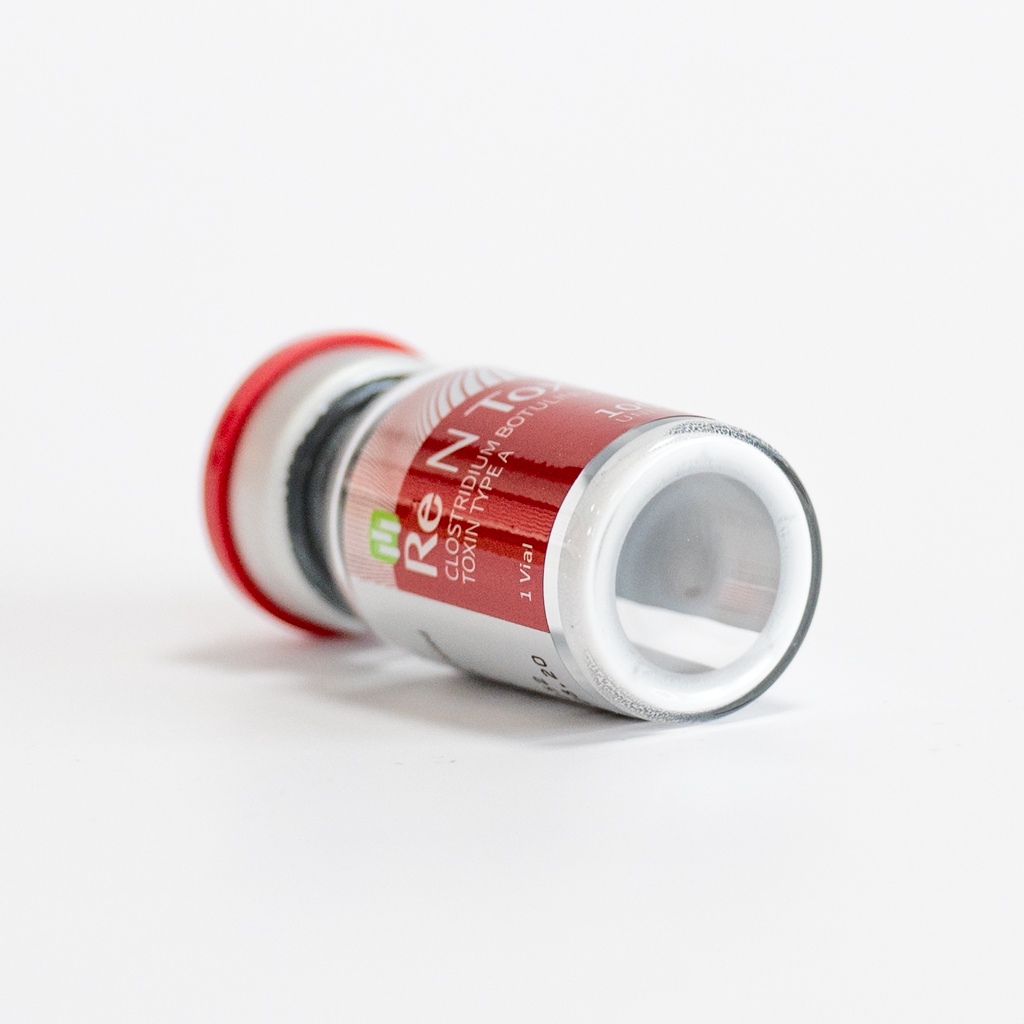
ReNTox 100 Units
Original price was: 85,00 €.49,50 €Current price is: 49,50 €.
If your clinic is looking to buy ReNTox 100 Units online, Botoderm provides certified wholesale access to this highly advanced, precision-engineered South Korean neuromodulator. Developed by Pharma Research Bio, ReNTox 100 Units is a premium Botulinum Toxin Type A celebrated for its ultra-low diffusion rate. This ensures the active toxin remains strictly isolated to the targeted injection site, preventing unwanted muscle relaxation in adjacent facial zones. Combined with a rapid onset profile, ReNTox offers absolute predictability for complex aesthetic treatments. Every wholesale order is shipped via our mandatory medical cold-chain logistics.
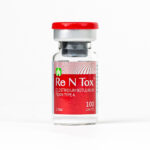
- Potency: 100 Units (IU) lyophilized sterile vial
- Substance: Clostridium Botulinum Toxin Type A
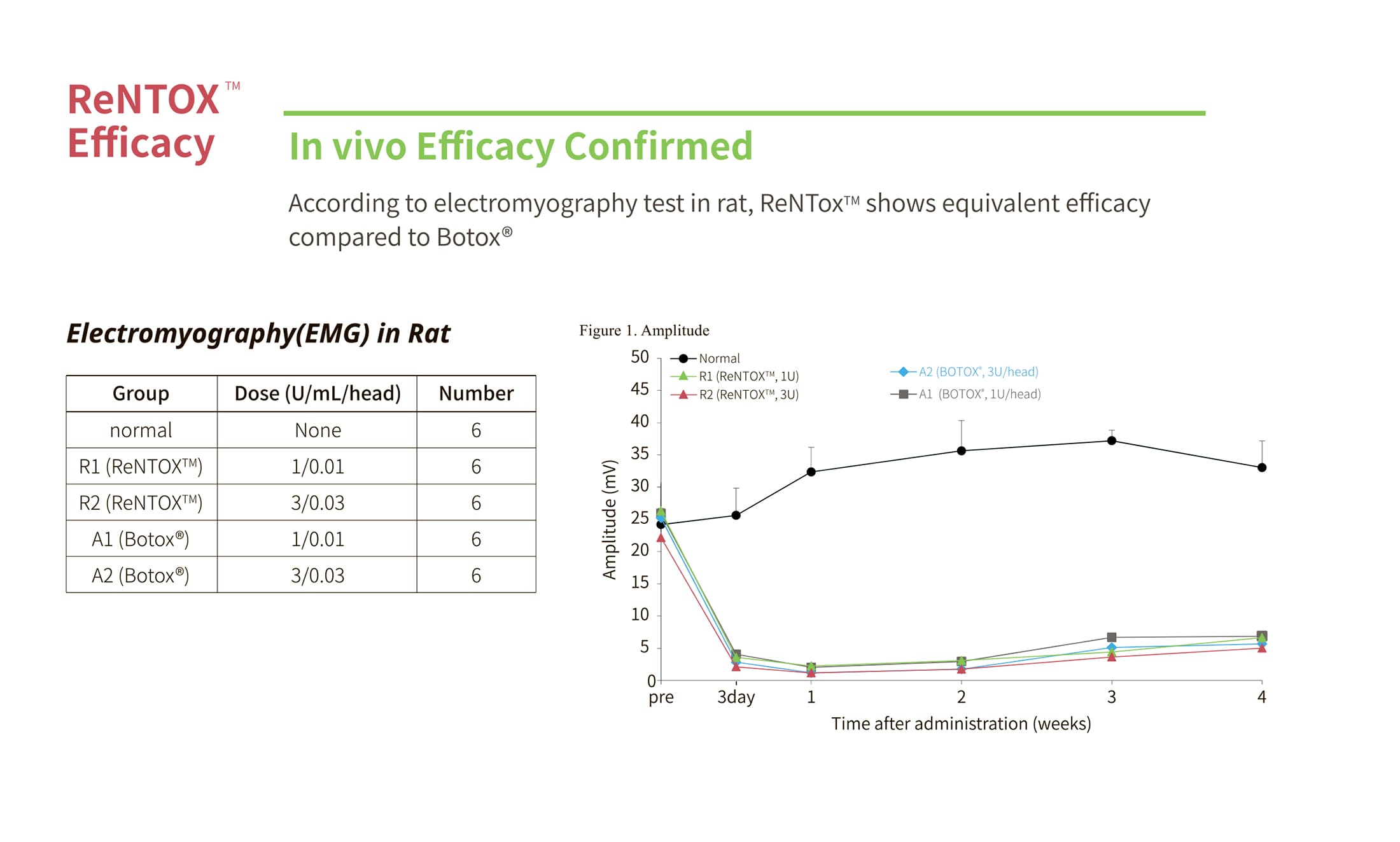
- Clinical Advantage: Ultra-low tissue diffusion and rapid 3-day visual onset
- Logistics: Validated temperature-controlled cold-chain delivery
Unmatched Clinical Precision with ReNTox 100 Units
Certified aesthetic injectors and high-volume medical spas choose to buy ReNTox 100 Units online to achieve maximum control over their facial contouring treatments. Manufactured by the renowned South Korean pharmaceutical company Pharma Research Bio, ReNTox is an innovative, premium-class Botulinum Toxin Type A. It is specifically formulated to temporarily intercept neuromuscular signaling, effectively smoothing moderate to severe dynamic lines while offering an exceptional safety profile.
The Advantage of Ultra-Low Tissue Diffusion
One of the most significant challenges in cosmetic dermatology is product migration—when a neurotoxin spreads beyond the intended injection site, potentially causing eyelid ptosis or asymmetrical facial expressions. ReNTox is heavily favored by advanced practitioners because it boasts one of the lowest diffusion rates of all globally available botulinum toxins. This ultra-low spread ensures the active macro-protein remains precisely localized, making it the perfect tool for delicate micro-toxin treatments and highly specific facial mapping.
Clinical Indications & Targeted Treatment Areas
The 100-Unit configuration is the versatile, universally accepted baseline for comprehensive anti-aging treatments. ReNTox 100U provides exceptional results when treating:
- Glabellar Creases (Frown Lines): Delivering targeted relaxation to the corrugator supercilii without affecting neighboring forehead muscles.
- Lateral Canthal Lines (Crow’s Feet): Safely smoothing the delicate orbicularis oculi area without risking migration to the zygomaticus muscles.
- Perioral Lines: Treating fine “smoker’s lines” around the mouth where absolute precision is required to maintain natural lip mobility.
The “3D Effect”: Rapid Onset and Extended Longevity
ReNTox is highly regarded for its signature rapid tissue integration, allowing clinics to deliver faster visual improvements to their patients:
- Initial Onset: Visible relaxation of the targeted facial muscles generally begins rapidly, with many patients observing the initial effects within just 3 days post-treatment.
- Peak Result: Complete neuromodulatory integration and maximum cosmetic smoothing stabilize at approximately 7 to 14 days.
- Duration: Due to its advanced stabilization, the therapeutic aesthetic benefits remain dynamically active for a prolonged period, typically lasting 6 to 8 months depending on individual patient metabolism.
Technical Specifications
| Parameter | Clinical Specification |
|---|---|
| Product Name | ReNTox 100unit |
| Active Substrate | Clostridium botulinum toxin type A |
| Format | Lyophilized white powder for injection |
| Dosing Capacity | 100 Units (IU) per vial |
| Storage Needs | Refrigerated condition (2°C to 8°C). Do not freeze. |
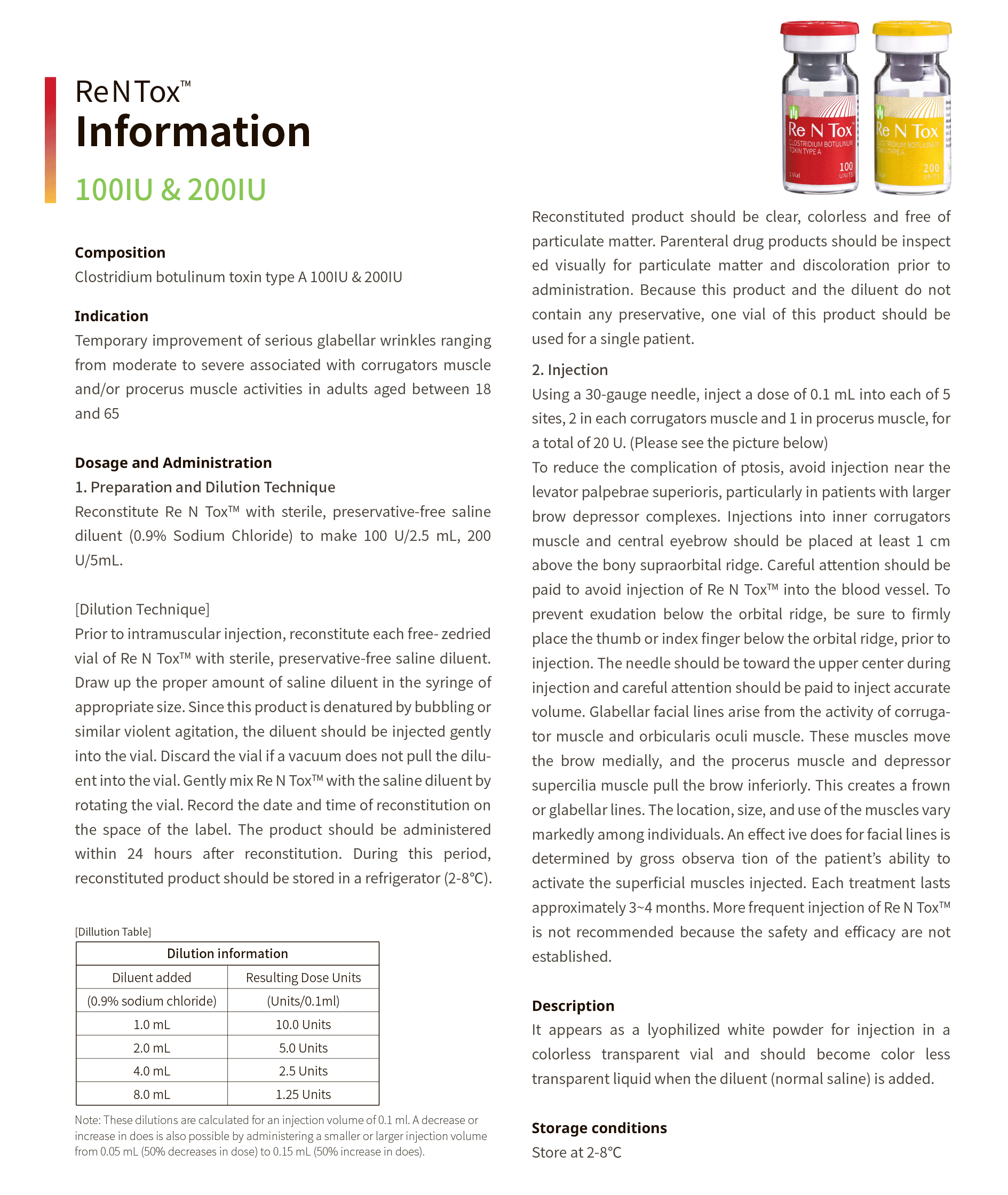
Reconstitution Protocol & Dilution Chart for ReNTox 100U
Reconstitution must be executed under strict sterile clinical conditions by qualified healthcare professionals using preservative-free 0.9% Sodium Chloride (Normal Saline).
To protect the structural integrity of the lyophilized powder, gently introduce the normal saline along the inner glass wall of the vial. Do not vigorously shake the vial; instead, slowly swirl it until the powder completely dissolves into a clear, colorless liquid solution.
- Standard 4U / 0.1mL Dosing: Slowly infuse 2.5 mL of sterile saline.
- Concentrated 5U / 0.1mL Dosing: Slowly infuse 2.0 mL of sterile saline.
- Light 2.5U / 0.1mL Dosing: Slowly infuse 4.0 mL of sterile saline.
Frequently Asked Questions (FAQ)
Why is a low diffusion rate important in a neurotoxin?
A low diffusion rate prevents the botulinum toxin from spreading away from the exact point of injection. This drastically reduces the risk of adverse aesthetic effects, such as drooping eyelids or a “frozen” facial appearance, allowing the injector to sculpt the face with absolute precision.
How should unopened ReNTox 100U vials be stored?
Unopened lyophilized vials must be transferred immediately to a secure medical refrigerator operating continuously between 2°C and 8°C. Do not expose the dry powder to heat or freezing temperatures. Once reconstituted, the liquid solution should be injected immediately or kept refrigerated (2°C to 8°C) and safely used within 24 hours.
Is ReNTox safe for long-term clinical use?
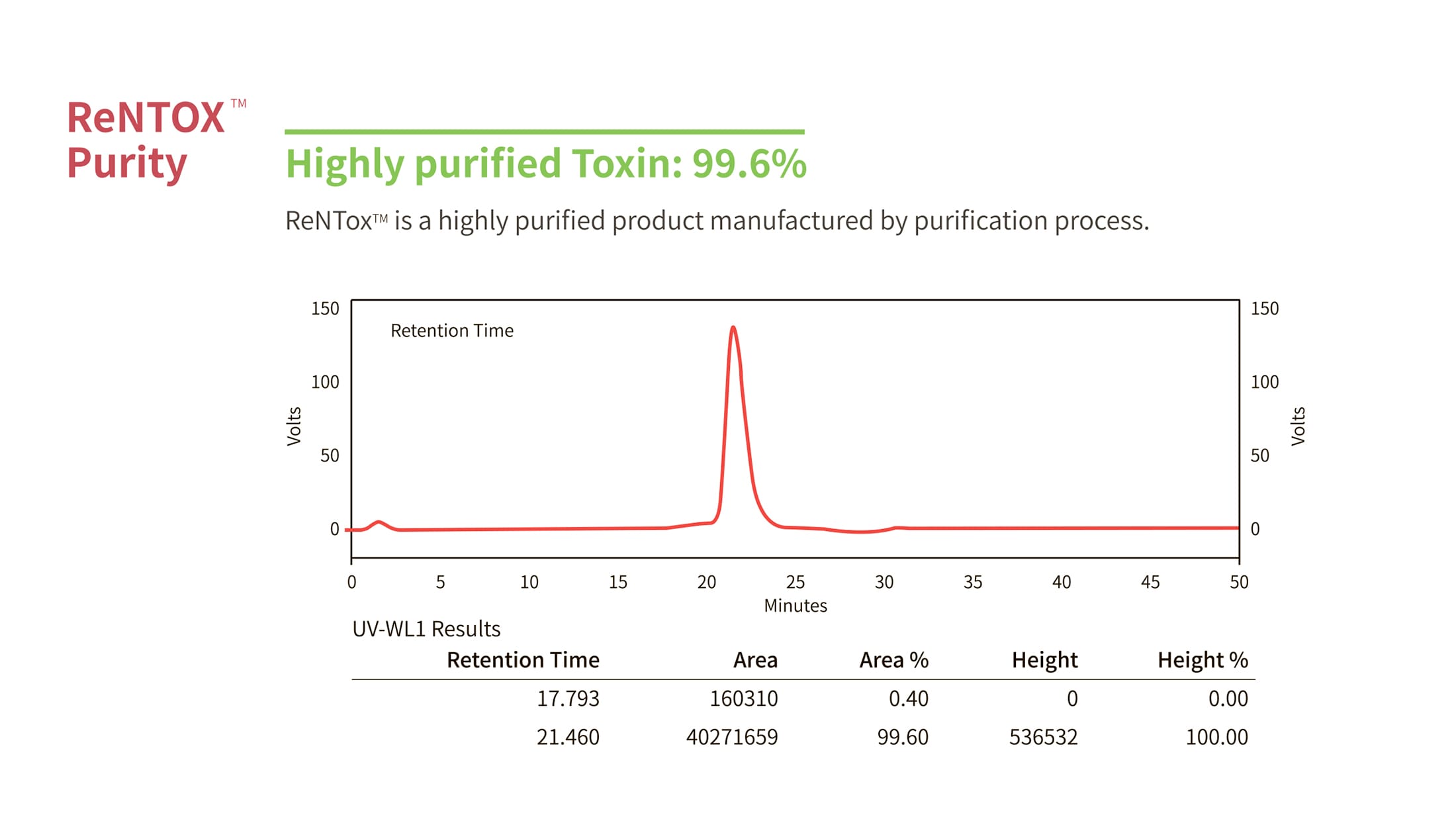
Yes. ReNTox undergoes highly advanced purification to remove unnecessary proteins and gelatin components found in older toxin generations. This cleaner profile minimizes the risk of allergic reactions and immunogenicity, making it highly reliable for long-term patient maintenance cycles.
Professional Medical Procurement Disclaimer: ReNTox 100 Units is a prescription-only, high-potency professional medication restricted exclusively to licensed healthcare professionals, dermatologists, and certified injectors. Botoderm assumes absolutely no clinical or legal liability for adverse reactions, complications, or loss of product efficacy due to unauthorized self-administration, home use, or poor storage handling post-delivery.
6 reviews for ReNTox 100 Units
Only logged in customers who have purchased this product may leave a review.
Authentic ReNTox by Pharma Research Bio
When advanced aesthetic clinics and highly skilled injectors look to buy ReNTox online, they are sourcing a neuromodulator engineered for absolute precision. Developed by South Korea's Pharma Research Bio, ReNTox is a premium Botulinum Toxin Type A celebrated globally for its ultra-low tissue diffusion rate. By strictly limiting product migration from the injection site, ReNTox gives practitioners unparalleled sculpting control, entirely mitigating the risk of unwanted relaxation in adjacent muscle groups. Explore our wholesale ReNTox inventory, available in both 100U and 200U configurations, fully secured by Botoderm's mandatory temperature-controlled cold-chain logistics.The Clinical Superiority of Low-Diffusion Neurotoxins
In complex facial mapping—especially around delicate anatomical structures like the orbicularis oculi (crow's feet) or perioral region—product migration is a critical concern. If a botulinum toxin spreads beyond the intended target, it can cause severe asymmetrical expressions or eyelid ptosis. ReNTox solves this challenge through an advanced molecular stabilization process that ensures one of the lowest diffusion rates on the market. This allows the active macro-protein to remain tightly localized, ensuring flawless, hyper-targeted wrinkle correction that experienced injectors demand.The Signature "3D Effect" and Gelatin-Free Safety
Beyond its precision, ReNTox is highly sought after for its signature "3D Effect"—a unique clinical profile combining a remarkably fast onset with prolonged durability. Patients frequently report visible muscle relaxation within just 3 days post-treatment, with peak aesthetic benefits often extending for 6 to 8 months. Furthermore, ReNTox utilizes a modernized, highly purified manufacturing process that completely eliminates animal-derived gelatin, significantly reducing the risk of allergic reactions and immunogenicity over consecutive treatment cycles.Optimized Inventory: 100U and 200U Configurations
To support your clinic's precise scheduling demands and heavy treatment volumes, Botoderm supplies both critical ReNTox configurations:- ReNTox 100 Units: The foundational volume for precise, highly targeted facial tracking, delicate micro-toxin skin treatments, and standard anti-aging corrections.
- ReNTox 200 Units: High-capacity vials designed to provide maximum cost-efficiency for large-scale anatomical sculpting, body contouring, masseter reduction, and heavy-dose hyperhidrosis management.
Unbroken Temperature-Controlled Logistics
ReNTox is distributed as a delicate lyophilized (freeze-dried) powder that contains highly sensitive biological proteins. Any exposure to uncontrolled heat spikes during transit can permanently break down these fragile chains, rendering the vial clinically ineffective. At Botoderm, we protect your commercial investment by enforcing a strictly validated medical cold-chain shipping protocol. Every wholesale order is packed in heavy-duty insulated containers with medical-grade gel ice packs, ensuring that the mandatory 2°C to 8°C environment remains completely unbroken from our distribution center to your clinic doors.Frequently Asked Questions About ReNTox Wholesale
Is ReNTox manufactured by a reputable company?
Yes. ReNTox is developed and manufactured by Pharma Research Bio, an innovative South Korean pharmaceutical company heavily focused on advanced regenerative medicine, biological engineering, and premium aesthetic solutions.Does ReNTox require saline reconstitution?
Yes. ReNTox arrives as a lyophilized white powder and must be reconstituted using preservative-free 0.9% normal saline. To protect the powder's structural integrity, the saline should be introduced slowly against the inner glass wall of the vial.What are the storage guidelines for ReNTox vials?
Unopened lyophilized vials must be stored immediately in a secure medical refrigerator operating continuously between 2°C and 8°C. Do not freeze the raw powder. Following sterile reconstitution, the clear solution should be injected immediately or kept refrigerated (2°C to 8°C) and safely used within 24 hours.Are wholesale purchases of ReNTox restricted?
Yes. ReNTox is a high-potency, prescription-strength injection drug. To ensure absolute patient safety and meet strict international medical distribution guidelines, wholesale access on Botoderm is legally restricted to licensed healthcare professionals, certified dermatologists, plastic surgeons, and verified medical spa buyers.Professional Medical Procurement Disclaimer: The manufacturing details, technical specifications, and clinical guidelines featured on this brand page are intended purely for commercial B2B procurement and medical supply planning. Botoderm assumes absolutely no clinical or legal liability for adverse reactions, complications, or loss of product efficacy due to unauthorized use, improper reconstitution, or third-party negligence post-delivery.
Details
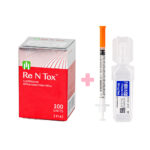
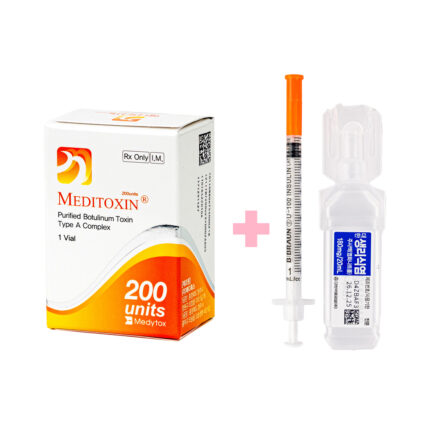
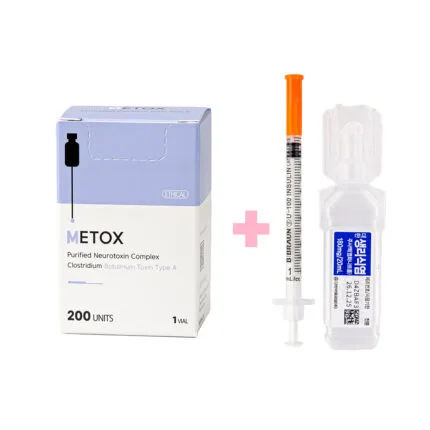
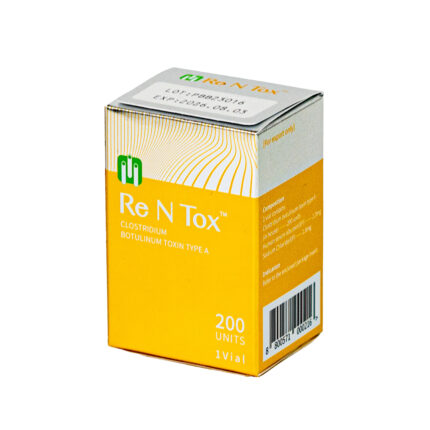
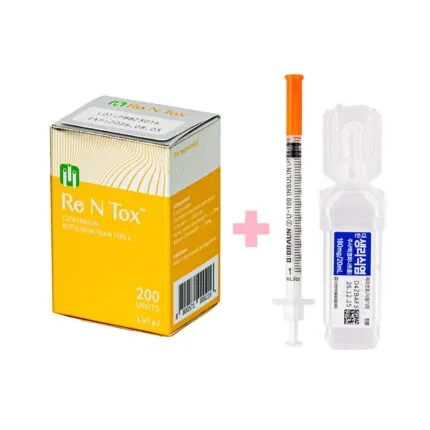
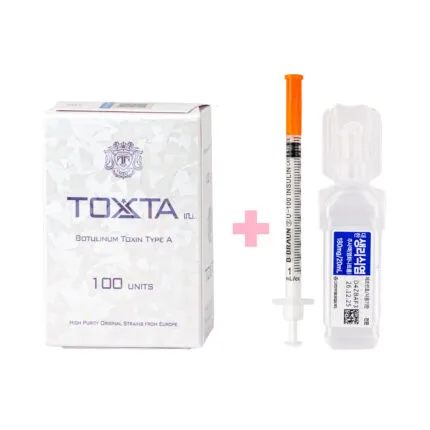
Every toxin product comes as a set with 1 saline solution and 1 insulin syringe.
Rentox is an innovative drug Premium Class containing 100 units of Botulinum Toxin type A that requires dilution with 0.9% saline. Developed by Pharma Research Bio, a South Korean company, this product takes the appearance of a lyophilized, almost white powder. It should become colorless transparent liquid when the diluent is added. It does not contain albumin, gelatin, and proteins compared to drugs in the same category.
Rentox botox is ideal for correcting chronic facial wrinkles, hemifacial spasms, blepharospasm, focal spasticity of the wrist and hand in stroke patients. It is also ideal for patients with paralytic strabismus.
Key Benefits of Rentox
- It is a non-surgical cosmetic composition that works well to eliminate facial imperfections including wrinkles and fine lines.
- It does not contain foreign bodies like gelatin, albumin, and proteins.
- Being hypoallergenic Rentox does not evoke allergies, making it safe for use.
- This product contains high-purity Botulinum type A toxin, with the lowest level of diffusion among similar toxins
Who is Rentox For?
- Ideal for people looking for a pocket-friendly yet effective botox treatment.
- The improved formula of the preparation does not contain: proteins, albumin, gelatin, compared with other similar drugs.
- Has the least diffusion among all botulinum toxins currently known.
- It is fast acting (often the patient can see the result already from day 3) while producing long-term results, often lasting over half a year (6-8 months)
- A product that helps improve facial appearance by eliminating wrinkles.
How to Use
- Avoid thermal procedures like saunas and baths before the Rentox treatment
- Avoid taking drugs like antibiotics that affect blood clotting.
- Dilute 100 units of Botulinum type A toxin vial with 0.9% saline.
- Inject 0.1ml of solution using a 30G needle into muscle groups.
IMPORTANT:
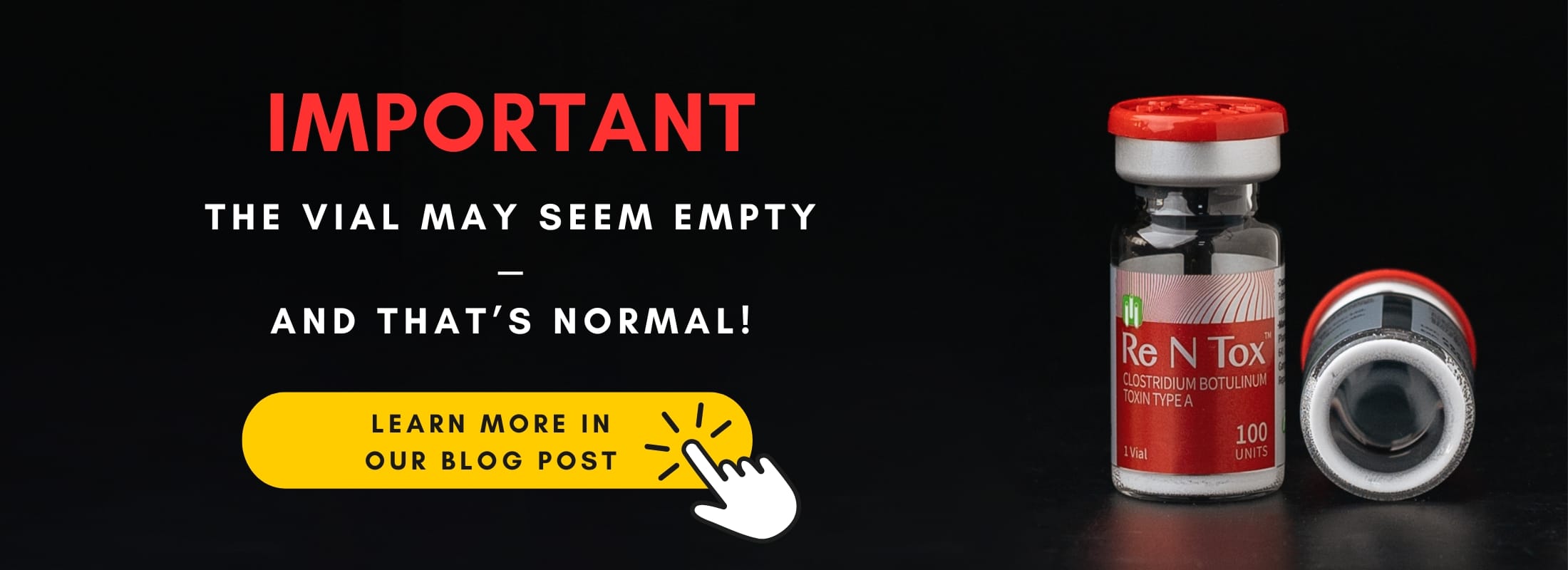
Be informed that due to international shipping, which can take 3-7 days, despite proper packaging, products may arrive in relatively warm condition. Based on our experience, test results and information from the manufacturer, the product may lose its efficiency by up to 10%. Please, proceed with the purchase at your discretion.
The product has contraindications. We are not responsible for any negative effects that you may encounter after administering products by yourself. It is recommended to consult a doctor or medical professional for any procedure.
Important Notice Before Ordering Toxins
All botulinum toxin products are shipped in insulated packaging with ice packs to maintain temperature during transit. However, due to international shipping, ice packs may melt and toxins may arrive warm or hot, especially during summer.
As shipping conditions are beyond our control, we are unable to offer refunds or reshipments for melted ice packs, warm product arrivals, or delays caused by shipping or customs.
Please review this information before completing your purchase.



Kylie Goble (verified owner) –
Amazing amazing amazing! Shipping was quick. Results were amazing. I feel like it took effect quicker than my normal Botox. Will definitely be ordering again
Leelee (verified owner) –
great product
Leelee (verified owner) –
used it for last year. long lasting
Ia (verified owner) –
The product was amazing. It worked perfectly on the wrinckles. I will buy it again.
shafagh hashemi (verified owner) –
Very effective
Haley Exum (verified owner) –
worked well