

Blog
Botulax: The Ultimate Guide to Botulinum Toxin Type A – 100iu

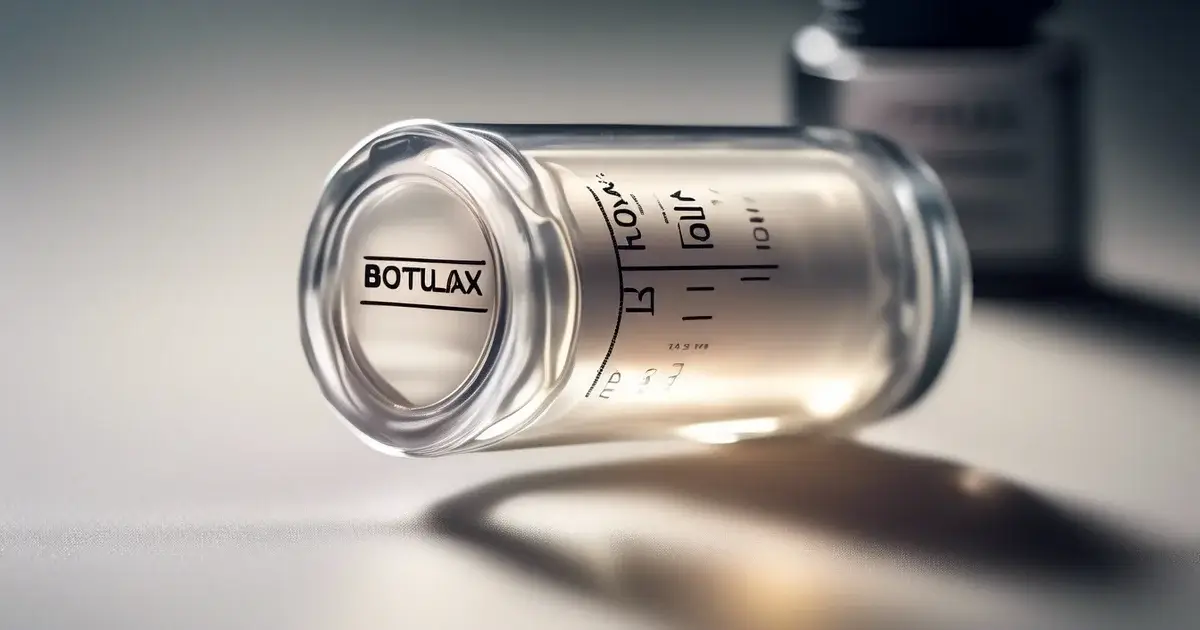
Botulax is a high-quality botulinum toxin type A product that has gained widespread recognition in both cosmetic and medical fields. Used for reducing facial wrinkles and treating various medical conditions, Botulax offers a reliable and effective solution for patients seeking aesthetic enhancements or therapeutic interventions. This article delves into the composition of Botulax, its mechanism of action, clinical indications, safety profile, and the scientific evidence supporting its use.
Composition of Botulax
Botulax is formulated with highly purified botulinum toxin type A, derived from the bacterium Clostridium botulinum. Each vial typically contains 100 units of the active neurotoxin, along with excipients such as human serum albumin and sodium chloride. The meticulous purification process ensures the removal of complexing proteins and impurities, resulting in a product with a high safety margin and consistent efficacy.
Mechanism of Action
The therapeutic effects of Botulax are achieved through its ability to inhibit neurotransmitter release at the neuromuscular junction. Botulinum toxin type A exerts its action by cleaving SNAP-25, a protein essential for the fusion of synaptic vesicles with the nerve terminal membrane. This cleavage prevents the release of acetylcholine, a neurotransmitter responsible for muscle contraction. Consequently, the targeted muscle experiences a temporary reduction in activity, leading to muscle relaxation and alleviation of symptoms associated with hyperactivity.
Clinical Indications and Applications
Cosmetic Applications
Botulax is widely used in aesthetic medicine to address dynamic facial wrinkles caused by repetitive muscle movements. Common cosmetic indications include:
- Glabellar Lines: Vertical frown lines between the eyebrows.
- Crow’s Feet: Fine lines radiating from the outer corners of the eyes.
- Forehead Lines: Horizontal lines across the forehead.
- Masseter Hypertrophy: Reduction of the jawline for facial slimming.
By relaxing the underlying facial muscles, Botulax smooths out wrinkles and lines, providing a more youthful and refreshed appearance. The effects typically become noticeable within a few days after injection and can last for three to six months.
Medical Applications
Beyond aesthetics, Botulax has demonstrated efficacy in treating a variety of medical conditions characterized by muscle hyperactivity or glandular overactivity. These include:
- Cervical Dystonia: A condition causing involuntary contraction of neck muscles, leading to abnormal head positions and pain.
- Blepharospasm: Involuntary twitching or closure of the eyelids.
- Spasticity: Muscle stiffness in conditions like cerebral palsy or post-stroke spasticity.
- Hyperhidrosis: Excessive sweating, particularly in the underarm regions, palms, and soles.
- Chronic Migraine: Prevention of headaches in adults experiencing 15 or more headache days per month.
- Overactive Bladder: Urinary incontinence due to detrusor overactivity.
In these therapeutic contexts, Botulax improves patients’ quality of life by reducing symptoms that are often resistant to conventional treatments.
Dosage and Administration
The appropriate dosage of Botulax varies depending on the condition being treated, the severity of symptoms, and individual patient factors. Administration should only be performed by qualified healthcare professionals trained in the use of botulinum toxin products.
Preparation
Botulax is supplied as a lyophilized powder that must be reconstituted with sterile, non-preserved 0.9% sodium chloride injection. The reconstitution process should follow the manufacturer’s guidelines to ensure accurate dosing. Using the correct dilution is crucial for achieving the desired concentration and therapeutic effect.
Injection Technique
The injection technique is critical for achieving desired outcomes and minimizing adverse effects. The practitioner must have a thorough understanding of facial anatomy and the specific muscles involved in the condition being treated. In cosmetic applications, precise injection into targeted muscles helps avoid unwanted diffusion of the toxin, which could lead to complications like ptosis or asymmetry. In therapeutic applications, proper injection sites are determined based on the muscles causing the symptoms.
Safety Profile
Side Effects
Botulax is generally well-tolerated, with most side effects being mild to moderate and transient. Common adverse events include localized pain, redness, swelling, or bruising at the injection site. Some patients may experience headaches, flu-like symptoms, or temporary muscle weakness near the injection area. Unintended muscle relaxation can lead to effects such as eyelid drooping (ptosis) or facial asymmetry. Most side effects resolve without intervention within days to weeks.
Contraindications
Botulax is contraindicated in patients with known hypersensitivity to any botulinum toxin preparation or excipients in the formulation. It should not be used in the presence of infection or inflammation at the proposed injection site(s). Patients with neuromuscular disorders such as myasthenia gravis, Lambert-Eaton syndrome, or amyotrophic lateral sclerosis (ALS) may have an increased risk of systemic effects and should avoid treatment unless deemed necessary by a specialist. The use of Botulax during pregnancy and lactation is not recommended unless the potential benefits justify the potential risks.
Precautions
Caution is advised when using Botulax in patients with bleeding disorders or those receiving anticoagulant therapy, as the risk of bruising or bleeding at the injection site may be increased. Patients should inform their healthcare provider of all medications and supplements they are taking to assess potential interactions. It is essential to use the lowest effective dose and adhere to recommended intervals between treatments to minimize the risk of antibody formation, which could reduce the efficacy of future treatments.
Clinical Evidence and Studies
Multiple clinical trials and studies have validated the efficacy and safety of Botulax in both cosmetic and therapeutic applications.
Cosmetic Efficacy
Randomized, double-blind studies have shown significant improvement in the appearance of moderate to severe glabellar lines in patients treated with Botulax compared to placebo. Patients reported high satisfaction rates, with noticeable results appearing within three to seven days post-injection. The duration of effect typically ranges from three to six months, after which repeat treatments can be administered.
Therapeutic Efficacy
In patients with cervical dystonia, Botulax demonstrated a reduction in muscle spasm severity and associated pain, improving head position and functional abilities. Studies in hyperhidrosis patients showed a significant decrease in sweat production, enhancing comfort and social interactions. For chronic migraine sufferers, Botulax reduced the frequency of headache days, providing an alternative for patients who do not respond adequately to conventional prophylactic medications.
Long-Term Safety
Long-term studies indicate that repeated administrations of Botulax are effective and well-tolerated, with no evidence of cumulative toxicity or significant long-term adverse effects when used appropriately. Immunogenicity, leading to the development of neutralizing antibodies, is rare but can reduce treatment efficacy. Using the minimal effective dose and appropriate intervals between injections can help mitigate this risk.
Storage and Handling
Proper storage conditions are essential to maintain the potency of Botulax.
Unopened Vials
Unopened vials should be stored refrigerated between 2°C to 8°C (36°F to 46°F) and protected from light. Freezing is not recommended, as it may compromise the integrity of the product.
Reconstituted Solution
Once reconstituted, the solution should be used within the period specified by the manufacturer, typically within 24 hours when stored in a refrigerator. The reconstituted solution should be clear, colorless to slightly yellowish, and free of particulate matter.
Transportation
When transporting Botulax, it is crucial to maintain the recommended temperature range. Using temperature-controlled containers or specialized medical courier services ensures the product’s integrity during transit.
Development and Global Use
Developed by the Korean pharmaceutical company Hugel Inc., Botulax has expanded its presence in international markets due to its quality and effectiveness. In 2019, it received approval from the U.S. Food and Drug Administration (FDA) for cosmetic use, offering an alternative to other established botulinum toxin products. Its acceptance in multiple countries underscores its reliability and the growing confidence among practitioners and patients.
International Success and Recognition
Botulax has been used extensively in Asia and has gained popularity in Europe and North America. Its competitive pricing, without compromising quality, makes it an attractive option for both practitioners and patients. Continuous investment in research and development by Hugel Inc. has contributed to advancements in formulation and applications, further solidifying Botulax’s position in the global market.
Conclusion
Botulax stands as a versatile and effective botulinum toxin type A product with applications spanning cosmetic enhancements and medical treatments. Its well-characterized composition, proven mechanism of action, and favorable safety profile make it a valuable option for those seeking to improve their appearance or manage specific medical conditions. As with all medical treatments, consultation with qualified healthcare professionals is essential to determine the appropriateness of Botulax therapy based on individual needs and to ensure safe administration.