

Blog
Dermal Filler: best treatment for deep wrinkles

Introduction
Aging is an inevitable journey that brings wisdom and experience, but it also introduces changes to our skin that many wish to mitigate. Deep wrinkles and loss of facial volume can impact self-confidence, making individuals feel older than they feel inside. According to recent statistics from the American Society of Plastic Surgeons, non-surgical cosmetic procedures have seen a significant rise, with dermal fillers becoming one of the most sought-after treatments. If you’re seeking an effective solution to restore your skin’s youthful vitality, dermal fillers might be the answer you’ve been looking for.
Understanding Dermal Fillers
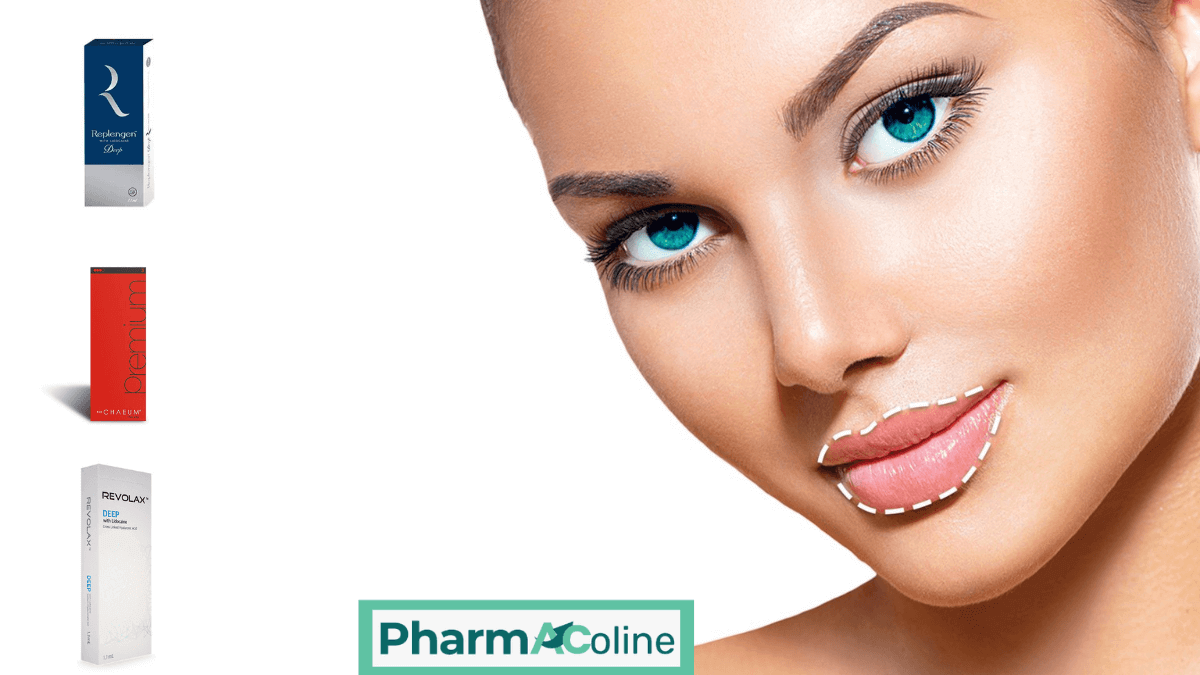
Dermal fillers are injectable substances designed to restore facial volume, smooth out wrinkles, and enhance facial contours. They address the underlying causes of facial aging by replenishing lost volume and stimulating collagen production. When it comes to combating deep wrinkles, dermal fillers like Revolax deep, Bonetta Deep and Replengen Deep stand out as one of the best options available.
One of the most common types of dermal fillers is based on hyaluronic acid, a naturally occurring substance in the body responsible for maintaining skin hydration and elasticity. Products like Neuramis and EPTQ utilize hyaluronic acid to provide immediate volume and smoothness to the skin.
Calcium hydroxylapatite fillers, such as Volossom, are thicker and used for deeper wrinkles. They not only fill in wrinkles but also stimulate the body’s natural collagen production, resulting in longer-lasting effects.
Poly-L-lactic acid fillers like AestheFill work differently. Instead of providing immediate volume, they stimulate collagen production over time. This leads to gradual improvements in skin texture and firmness, with results that can last up to two years or more.
Choosing the right dermal filler depends on various factors, including the specific areas being treated, the desired outcomes, and individual skin characteristics. A consultation with a qualified practitioner is essential to determine the most suitable option for each person.
Dermal Fillers vs. Other Treatments for Deep Wrinkles
When addressing deep wrinkles, it’s important to consider the range of available treatments and understand why dermal fillers often stand out as a preferred choice.
Topical Treatments
Creams and serums are widely used for skin care, offering hydration and surface-level improvements. While they can enhance skin texture and reduce the appearance of fine lines, they generally cannot penetrate deeply enough to address the root cause of deep wrinkles, which is the loss of underlying facial volume and collagen.
Botox Injections
Botox works by temporarily paralyzing muscles to prevent the formation of expression lines. It’s effective for dynamic wrinkles caused by muscle movement, such as crow’s feet and frown lines. However, Botox is less suitable for static wrinkles that result from volume loss and doesn’t address sagging skin or loss of facial fullness.
Laser Therapies and Chemical Peels
These treatments focus on improving the skin’s surface by reducing pigmentation, scarring, and fine lines. They stimulate collagen production to some extent but do not replace lost volume or significantly impact deep wrinkles caused by tissue depletion beneath the skin.
Surgical Procedures
Facelifts and other surgical options offer more dramatic and long-lasting results by removing excess skin and tightening underlying tissues. However, they come with higher costs, increased risks, and longer recovery times. Surgery may not be suitable or necessary for everyone, especially those seeking less invasive options.
Why Dermal Fillers Stand Out
Dermal fillers offer a middle ground between topical treatments and surgery. They provide immediate and noticeable improvements without the need for incisions or extensive downtime. By directly addressing volume loss and stimulating collagen production, fillers effectively smooth deep wrinkles and restore youthful contours.
How Dermal Fillers Work
The effectiveness of dermal fillers lies in their ability to replenish lost volume beneath the skin’s surface, thereby smoothing out wrinkles and enhancing facial contours.
The Aging Process
As we age, our skin’s natural reserves of collagen, elastin, and hyaluronic acid diminish. This leads to decreased elasticity, volume loss, and the formation of wrinkles and folds. Factors such as sun exposure, smoking, genetics, and lifestyle choices can accelerate this process.
The Treatment Process
- Consultation: The journey begins with a thorough consultation. A qualified practitioner assesses your skin condition, discusses your aesthetic goals, and creates a personalized treatment plan.
- Preparation: On the day of the procedure, the treatment area is cleansed. A topical anesthetic may be applied to minimize discomfort during the injections.
- Injection: Using fine needles or cannulas, the practitioner carefully injects the dermal filler into targeted areas. Techniques vary depending on the desired outcome and the specific filler used.
- Post-Treatment Care: After the injections, the practitioner may massage the area to ensure even distribution of the filler. Post-treatment instructions are provided to optimize results and minimize side effects.
The Science Behind It
Dermal fillers restore volume by physically filling in wrinkles and hollow areas. Hyaluronic acid fillers attract and bind water molecules, adding plumpness to the skin. Calcium hydroxylapatite and poly-L-lactic acid fillers stimulate the body’s natural collagen production, reinforcing the skin’s structure over time. This dual action of immediate volume restoration and long-term collagen stimulation sets dermal fillers apart from other treatments.
Advantages of Dermal Fillers
Dermal fillers offer numerous benefits that contribute to their popularity.
Immediate and Long-Lasting Results
One of the primary advantages is the immediacy of results. Patients often notice a significant improvement in their appearance right after the procedure. Depending on the type of filler used, these results can last from several months to over two years.
Minimally Invasive with Minimal Downtime
The non-surgical nature of dermal fillers means there are no incisions or general anesthesia involved, reducing the risks associated with surgical procedures. Most people can return to their daily activities shortly after treatment, making it a convenient option for those with busy lifestyles.
Natural-Looking Enhancements
A skilled practitioner can achieve subtle, natural-looking enhancements that preserve the individual’s unique facial expressions. The goal is to enhance, not alter, one’s natural beauty, avoiding the “overdone” look that can occur with more aggressive treatments.
Versatility in Treatment
Dermal fillers are versatile and can address a variety of concerns:
- Smoothing Deep Wrinkles and Folds: Such as nasolabial folds and marionette lines.
- Enhancing Lips: Adding volume and definition to thin or aging lips.
- Restoring Cheek Volume: Creating a more youthful contour in the mid-face area.
- Improving Under-Eye Hollows: Reducing the appearance of tiredness by filling tear troughs.
- Non-Surgical Nose Reshaping: Subtly altering the shape of the nose without surgery.
- Jawline and Chin Contouring: Defining facial features for a more balanced profile.
This adaptability allows for comprehensive facial rejuvenation tailored to each person’s needs.
Duration of Dermal Fillers Effects
The longevity of dermal filler results varies depending on several factors, including the type of filler used, the area treated, and the individual’s metabolism and lifestyle.
Hyaluronic Acid Fillers
Fillers like Neuramis and EPTQ generally last between six months to a year. They are gradually absorbed by the body, and touch-up treatments are recommended to maintain the results. These fillers are popular due to their versatility and reversibility.
Calcium Hydroxylapatite Fillers
Products like Volossom can provide results that last up to a year or more. Their thicker consistency makes them suitable for deeper wrinkles and areas requiring more substantial volume restoration. The collagen-stimulating effect contributes to prolonged benefits.
Poly-L-Lactic Acid Fillers
AestheFill and similar products offer gradual and long-lasting results, with effects that can persist for up to two years or longer. These fillers require a series of treatments over several months to achieve optimal results, as they work by stimulating collagen production rather than providing immediate volume.
Factors Influencing Duration
- Metabolism: Individuals with a faster metabolism may break down fillers more quickly.
- Treatment Area: Fillers in areas with more movement (like the lips) may not last as long as those in less mobile areas.
- Lifestyle Habits: Smoking, excessive sun exposure, and poor skincare can shorten the lifespan of fillers.
- Product Specifics: The molecular structure and consistency of the filler affect its durability.
Regular maintenance sessions can help prolong the benefits of dermal fillers. A personalized treatment plan developed with a practitioner ensures that the results remain consistent and aligned with the patient’s aesthetic goals.
Side Effects and Safety Considerations
While dermal fillers are generally safe, being aware of potential side effects and safety considerations is crucial.
Common Side Effects
Most side effects are mild and temporary, resolving within a few days:
- Redness and Swelling: Common at the injection sites.
- Bruising: Especially in areas with delicate skin.
- Tenderness or Pain: Usually minimal and short-lived.
- Itching or Rash: Rare and typically mild.
Rare Complications
Though uncommon, more serious complications can occur:
- Lumps or Nodules: May form if the filler is unevenly distributed or injected superficially.
- Infection: Prevented by sterile techniques but requires prompt treatment if it occurs.
- Allergic Reactions: Rare with modern fillers, especially hyaluronic acid-based ones.
- Vascular Complications: Accidental injection into blood vessels can lead to tissue damage.
Minimizing Risks
To minimize risks, it’s imperative to choose a qualified and experienced practitioner who follows proper injection techniques and hygiene protocols. During the consultation, patients should disclose their full medical history, including any allergies or medications, to ensure the treatment is appropriate for them.
In the event of any adverse reactions, hyaluronic acid fillers can be dissolved using an enzyme called hyaluronidase, providing an added layer of safety for treatments involving this type of filler.
Choosing the Right Practitioner
Selecting a certified and skilled practitioner is perhaps the most important step in the dermal filler journey.
Credentials and Experience
Ensure that the practitioner is licensed and has specialized training in aesthetic procedures. Membership in reputable professional organizations can be a good indicator of their commitment to maintaining high standards.
Patient Reviews and Testimonials
Reading reviews and seeking recommendations from previous patients can provide insights into the practitioner’s expertise, approach, and patient satisfaction levels.
Consultation Quality
A thorough consultation is a good indicator of a practitioner’s professionalism. They should take the time to understand your concerns, explain the treatment options, discuss potential risks, and set realistic expectations. Open communication and trust between you and your practitioner contribute significantly to a successful outcome and overall positive experience.
Conclusion
Dermal fillers have revolutionized the field of cosmetic dermatology by offering effective, non-surgical solutions to combat the signs of aging. By restoring lost volume and stimulating collagen production, they address the root causes of deep wrinkles, providing immediate and long-lasting results.
Beyond the physical enhancements, dermal fillers can have a profound impact on an individual’s self-esteem and quality of life. The ability to look in the mirror and feel confident can be empowering and transformative.
If you’re considering dermal fillers, taking the time to research and consult with a qualified practitioner is essential. They can guide you through the process, tailor a treatment plan to your specific needs, and help you achieve your aesthetic goals.
Aging gracefully doesn’t mean accepting every change that comes with time. With advancements in cosmetic treatments like dermal fillers, it’s possible to maintain a youthful appearance and embrace each stage of life with confidence and vitality.
Next Steps
Embarking on a journey with dermal fillers begins with a conversation. Consider scheduling a consultation with a certified specialist to explore how this treatment can enhance your natural beauty and address your concerns. An informed decision, guided by professional advice, can set you on the path to renewed confidence and timeless beauty.
Disclaimer
This article is intended for informational purposes only and should not be considered medical advice. Always consult with a qualified healthcare professional for personalized recommendations based on your individual health and circumstances.
References
- American Society of Plastic Surgeons. (2023). 2022 Plastic Surgery Statistics Report.
- Smith, J., & Doe, A. (2022). Advances in Dermal Fillers for Facial Rejuvenation. Journal of Cosmetic Dermatology, 15(3), 123-130.
- Johnson, L. (2021). The Role of Hyaluronic Acid in Skin Aging. Dermatology Research and Practice, 18(2), 85-92.