

Blog
Count your Macros

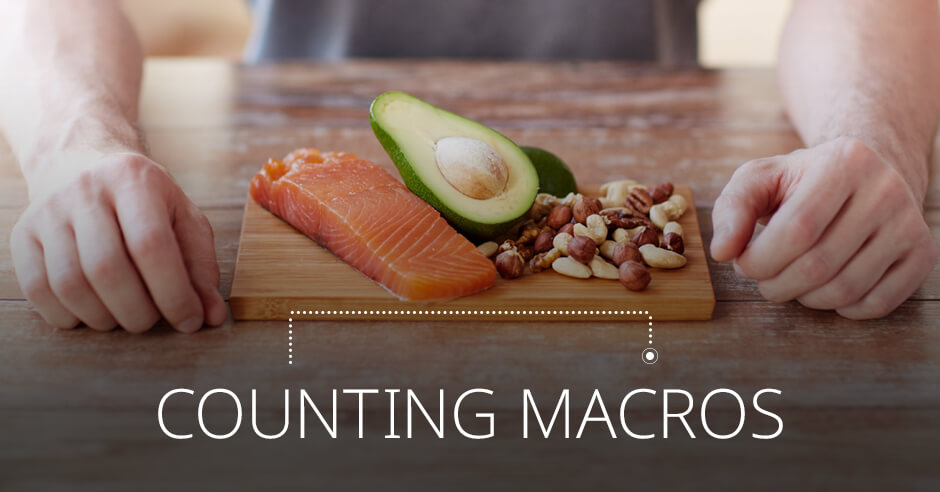
Whether you’re aiming to lose weight, build muscle, or enhance your overall health, understanding how to count macronutrients—proteins, carbohydrates, and fats—can significantly amplify your results. By learning how macros work and incorporating them into your daily routine, you can tailor your diet to meet your specific fitness objectives.
What Are Macros and Why Do They Matter?
Macros, or macronutrients, are the nutrients your body requires in large amounts: proteins, carbohydrates, and fats. Every food item you consume can be broken down into these three categories. Balancing your intake of each macronutrient ensures your body has the necessary fuel for energy, recovery, and overall health. Proteins are essential for muscle repair and growth, carbohydrates serve as the body’s primary energy source, and fats are crucial for hormone production and nutrient absorption. Understanding and controlling your macro intake can lead to more effective weight management and improved physical performance.
Step 1: Accurately Measuring Macros
Precision is key when it comes to counting macros. To measure them effectively, equip yourself with the right tools. A digital food scale is indispensable for measuring your food in grams, providing maximum accuracy. Measuring cups and spoons are also useful for liquids and smaller quantities. Macro tracking apps like MyFitnessPal, Cronometer, or Lose It! can simplify the process by offering nutritional information for thousands of foods.
Understanding food labels is also crucial. Always compare the serving size on the label to the portion you’re consuming, and pay attention to the grams of protein, carbohydrates, and fats per serving. Be cautious of hidden macros in ingredients like sauces or dressings, which can add unexpected amounts to your intake. Utilizing reliable resources such as the USDA FoodData Central can provide standard macro counts for various foods, and checking nutrition facts provided by restaurants can help when dining out.
Step 2: Recording Your Intake
Consistent tracking is essential for success. Choose a method that suits you, whether it’s a digital app that automatically calculates and stores your daily macros, a customized spreadsheet, or a traditional food journal. Logging your meals and snacks as soon as you consume them ensures accuracy and helps you stay accountable. Being honest in your recording—including everything you eat and drink, even small bites and sips—provides a clear picture of your eating habits. Regularly reviewing your logs can help you identify patterns and areas for improvement.
Step 3: Calculating Your Macro Needs
Tailoring your macro intake to your goals is crucial. First, determine your caloric needs by calculating your Basal Metabolic Rate (BMR), which is the number of calories your body needs at rest. Assess your activity level to find your Total Daily Energy Expenditure (TDEE). Set your caloric goals based on whether you want to lose weight, gain weight, or maintain your current weight.
Next, select a macro ratio that aligns with your objectives. For weight loss, a higher protein intake can promote satiety and preserve muscle, so a ratio like 40% protein, 30% carbs, and 30% fat may be suitable. For muscle gain, you might prefer a higher carbohydrate intake for energy and sufficient protein for muscle synthesis, such as a 50% carbs, 30% protein, 20% fat ratio. For general health, a balanced approach like 40% carbs, 30% protein, and 30% fat works well.
Calculate the grams needed per macro by multiplying your daily calorie goal by the percentage for each macro and then converting calories to grams. Remember that one gram of protein or carbohydrates equals four calories, and one gram of fat equals nine calories. For example, on a 2,000-calorie diet with a 40/30/30 macro ratio, you would aim for 200 grams of carbohydrates, 150 grams of protein, and approximately 67 grams of fat per day.
Adjusting Macros for Personalization
Every individual is unique, and your macro needs may differ based on factors like metabolism, activity level, and personal preferences. Listening to your body is essential. If you’re frequently hungry, consider increasing protein or healthy fats; if you feel sluggish, you might need more carbohydrates. Consulting professionals like dietitians or nutritionists can provide personalized macro recommendations. Regular check-ins can help you adjust your macros as your body and goals evolve, ensuring that your diet continues to meet your needs.
Step 4: Crafting a Meal Plan
A well-structured meal plan aligns your daily food intake with your macro goals. Planning ahead can save time and reduce temptation. Consider cooking and portioning meals in advance, choosing recipes that fit your macro distribution, and familiarizing yourself with the macros of common foods to allow for flexibility.
For example, start your day with oatmeal made with almond milk, topped with berries and chia seeds, providing high-quality carbohydrates and fiber. For lunch, a grilled chicken salad with mixed greens and avocado offers balanced protein and healthy fats. A snack of Greek yogurt with a handful of nuts adds more protein and fats. Dinner could be baked salmon with quinoa and steamed broccoli, delivering protein, healthy fats, and complex carbohydrates. By selecting meals that align with your macro goals, you make it easier to stay on track.
Understanding Macro Sources
Choosing nutrient-dense foods enhances the quality of your diet. For protein, lean meats like chicken breast and turkey, seafood such as tuna and salmon, plant-based options like lentils and tofu, and dairy products like Greek yogurt and eggs are excellent choices. Healthy fats can be found in nuts, seeds, olive oil, avocados, and fatty fish rich in Omega-3 fatty acids. When selecting carbohydrates, opt for whole grains, fruits, vegetables, and legumes, which provide essential nutrients and fiber. Being mindful of the sources of your macros ensures that you’re not only meeting your macro goals but also supporting overall health.
Macro Counting Across Different Diets
Macro counting can be adapted to specific dietary preferences or restrictions. For those following a ketogenic diet, the focus is on high fat and low carb intake, typically 70–75% fat, 20% protein, and 5–10% carbs, emphasizing foods like avocados, nuts, and high-fat dairy. Vegans and vegetarians can meet their macro needs with plant-based proteins such as beans, lentils, tofu, and tempeh, though careful planning may be necessary to ensure sufficient protein intake. The Paleo diet emphasizes whole foods like meats, fish, fruits, vegetables, and nuts while avoiding grains, legumes, and processed foods. Adapting macro counting to these diets involves adjusting food choices while maintaining the desired macro ratios.
Prioritizing Safety and Professional Guidance
Before making significant dietary changes, it’s important to consult healthcare providers, especially if you have underlying health conditions. A medical professional can help you determine a safe and effective macro plan tailored to your needs. Regular check-ups can help monitor health markers like cholesterol and blood sugar, ensuring that your dietary changes support your overall health. Seeking professional guidance adds an extra layer of safety and effectiveness to your macro counting journey.
Tips for Long-Term Success
Staying hydrated supports digestion and nutrient absorption, so make sure to drink plenty of water throughout the day. Getting adequate sleep is crucial for recovery and hormonal balance, impacting both appetite and metabolism. Managing stress is also important, as high stress levels can affect eating habits and overall well-being. Combining your nutrition plan with regular physical activity enhances your results and contributes to a healthier lifestyle. Remember that consistency is key; small, sustained changes lead to significant results over time.
Conclusion
Counting macros offers a personalized and flexible approach to nutrition that can help you reach your fitness goals more efficiently. By understanding your body’s needs and making informed food choices, you empower yourself to take control of your health. Embracing this method requires commitment and patience, but the rewards are well worth the effort. Start today by setting clear goals, equipping yourself with the right tools, and staying dedicated to the process. Your future self will thank you for taking this proactive step toward better health.
Additional Resources
Mobile Apps:
- MyFitnessPal: Comprehensive tracking and community support.
- Cronometer: Detailed nutrient tracking.
- Lose It!: User-friendly interface with goal-setting features.
Websites:
- USDA FoodData Central: https://fdc.nal.usda.gov
- Academy of Nutrition and Dietetics: www.eatright.org
Books:
- “The Complete Guide to Macro Counting” by Emma Green.
- “Flexible Dieting” by Alan Aragon.
Empower Yourself Today
Embarking on a macro counting journey is a step toward greater self-awareness and control over your health. By educating yourself and applying these principles, you set the foundation for lasting change. Stay committed, be patient with yourself, and remember that every small step brings you closer to your goals.
Disclaimer: This guide is for informational purposes only and does not substitute professional medical advice. Consult a healthcare professional before starting any new diet or exercise program.